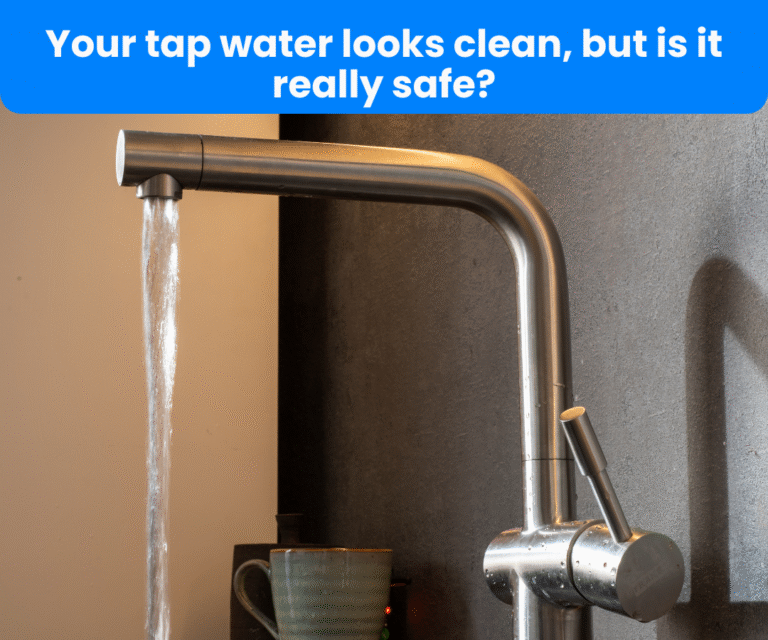
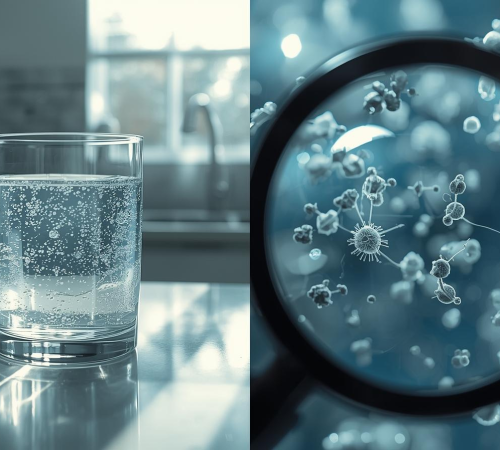
It might look clear. It might taste fine. But what’s flowing from your tap could be hiding dozens of invisible threats, and legally, no one’s required to tell you about them.
The Illusion of Clean
Australia’s water supply is treated to meet minimum safety standards. But “safe” doesn’t always mean healthy.
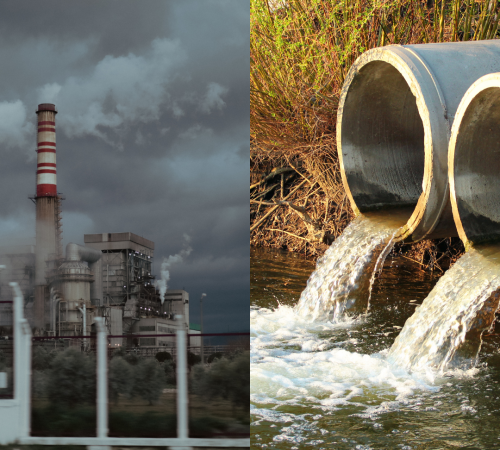
Your water travels through kilometres of aging pipes, picking up residues from industrial waste, farm runoff, bacteria, and outdated chemical disinfectants. By the time it reaches your sink or shower, it can contain a cocktail of contaminants.
Common Contaminants Found in Tap Water:
Chlorine & Chloramines
Used to disinfect water, but they also react with organic matter to form toxic byproducts (like trihalomethanes).
Linked to skin irritation, asthma, and respiratory problems.
PFAS (Forever Chemicals)
Found in firefighting foam, non-stick coatings, and packaging.
Linked to cancer, thyroid disease, hormone disruption, and fertility issues.
Detected in multiple Australian water supplies.
Lead
Often from old pipes or solder.
Especially dangerous to children, can impair brain development, cause behavioural issues, and reduce IQ.
Pesticides & Nitrates
From farm runoff and groundwater contamination.
Can cause digestive issues, hormone disruption, and long-term organ damage.
Bacteria & Parasites
Like Giardia and Cryptosporidium, which can survive standard treatment.
Cause vomiting, diarrhoea, and serious health risks in children and the elderly.
Microplastics
Found in bottled and tap water.
Still being studied, but believed to carry harmful chemicals and disrupt hormones.
Why You Haven’t Heard About This
Most people trust that their water is “safe” because it’s been treated, but treatment standards are decades old and don’t account for modern threats like PFAS.
Regulations only require testing for a limited list of contaminants. Even when those are present, they may be within “acceptable” limits, but acceptable doesn’t mean harmless.
You wouldn’t feed your family food laced with trace toxins. So why let them drink, bathe and cook in it?
What You Can Do
Get your water tested: it’s fast, free, and could change how you think about your home.
Filter at the source: whole home systems remove the bad stuff before it touches your body.
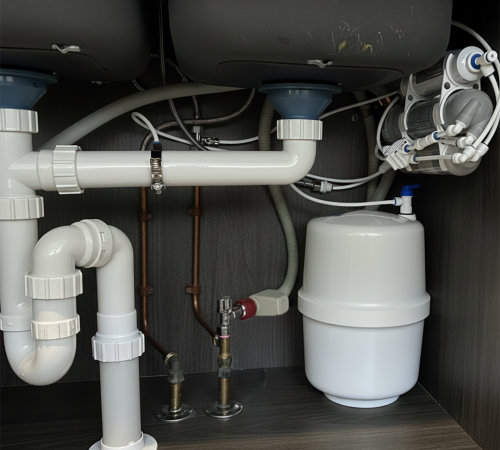
Use reverse osmosis for drinking: the gold standard in filtration.