What are PFAS?
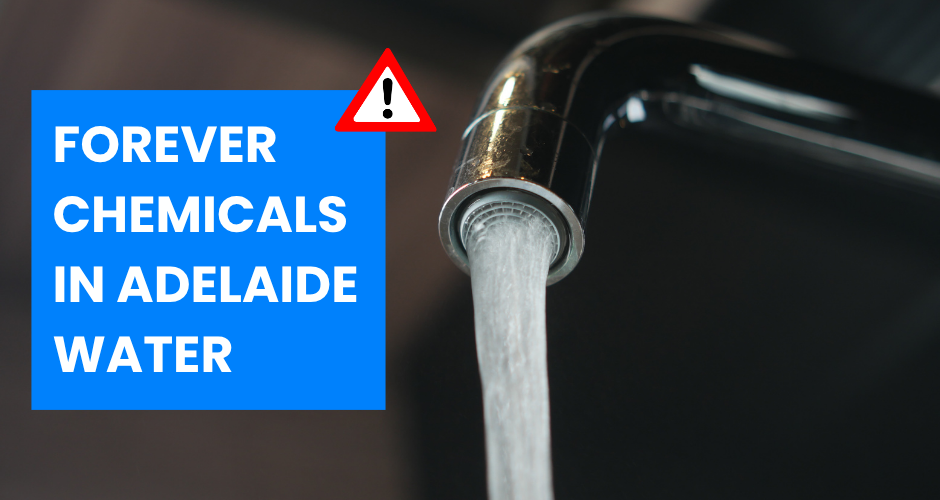
PFAS are a group of man-made chemicals often called “forever chemicals” because they do not break down easily in the environment. They have been used in everything from non-stick cookware to firefighting foam, and because of that widespread use, they have found their way into our soil, waterways, food chain, and tap water.
They are not new. What is changing is our understanding of what they may be doing to our health.
What did the new research find?
According to the report, researchers found that even the very low PFAS levels present in Adelaide drinking water had detectable effects in a mouse study.
The findings were concerning.
The study reported DNA damage, cellular stress, negative impacts on embryos, potential links to miscarriage, and effects that appeared to carry across generations.
One of the most alarming points raised in the segment was that these effects were described as transgenerational. In simple terms, that means the impact may not stop with direct exposure. It may continue into future generations because the fetus was also exposed at those drinking water levels.
That does not mean human outcomes should be assumed directly from one animal study. But it does mean the issue deserves serious attention, not dismissal.
Why this matters
For years, public conversations around drinking water have often focused on whether water is technically “safe” according to current guidelines. But research like this raises a different question:
Are current guidelines enough?
If chemicals can be present at low levels and still have detectable biological effects, then families have every right to ask whether “within guidelines” automatically means “nothing to worry about”.
That is a very different conversation.
And it is one more reason why more Australians are taking a closer look at what is actually coming out of their taps.
What should families do?
At Good Water Group, we believe this is bigger than just drinking water alone.
Water moves through every part of a home. It is what your family drinks, cooks with, bathes in, washes with, and uses every single day. That is why we believe the smartest approach is not to focus on one tap only, but to look at the whole picture.
Our view is simple:
Whole home filtration helps protect every aspect of the home and family.
It supports cleaner water throughout the house, across the taps, showers, and daily household use.
Then, for the water you actually consume, reverse osmosis provides pure filtered drinking water, giving families an added level of confidence where it matters most.
This combination reflects the way families really use water. Not just one glass at a time, but across the entire home.
The bigger issue
This is no longer just a conversation about taste, convenience, or preference.
It is about whether Australian families are being given the full picture when it comes to water quality and long-term health.
If emerging research is showing effects at low levels, then more scrutiny is warranted. More public awareness is warranted. And more families will understandably start asking what steps they can take now, rather than waiting for systems and standards to catch up later.
That is not alarmism. That is common sense.
Final thought
PFAS are called forever chemicals for a reason. They persist. They accumulate. And the more we learn, the clearer it becomes that reducing exposure where possible is a smart move.
You may not be able to control every source of PFAS in modern life. But you can take control of the water that moves through your home every day.
Because when it comes to your health, “low levels” should not automatically mean “no concern”.
And clean, trusted water should never be left to chance.